

Modern hoists: Energy efficiency, regeneration and low life cycle costs
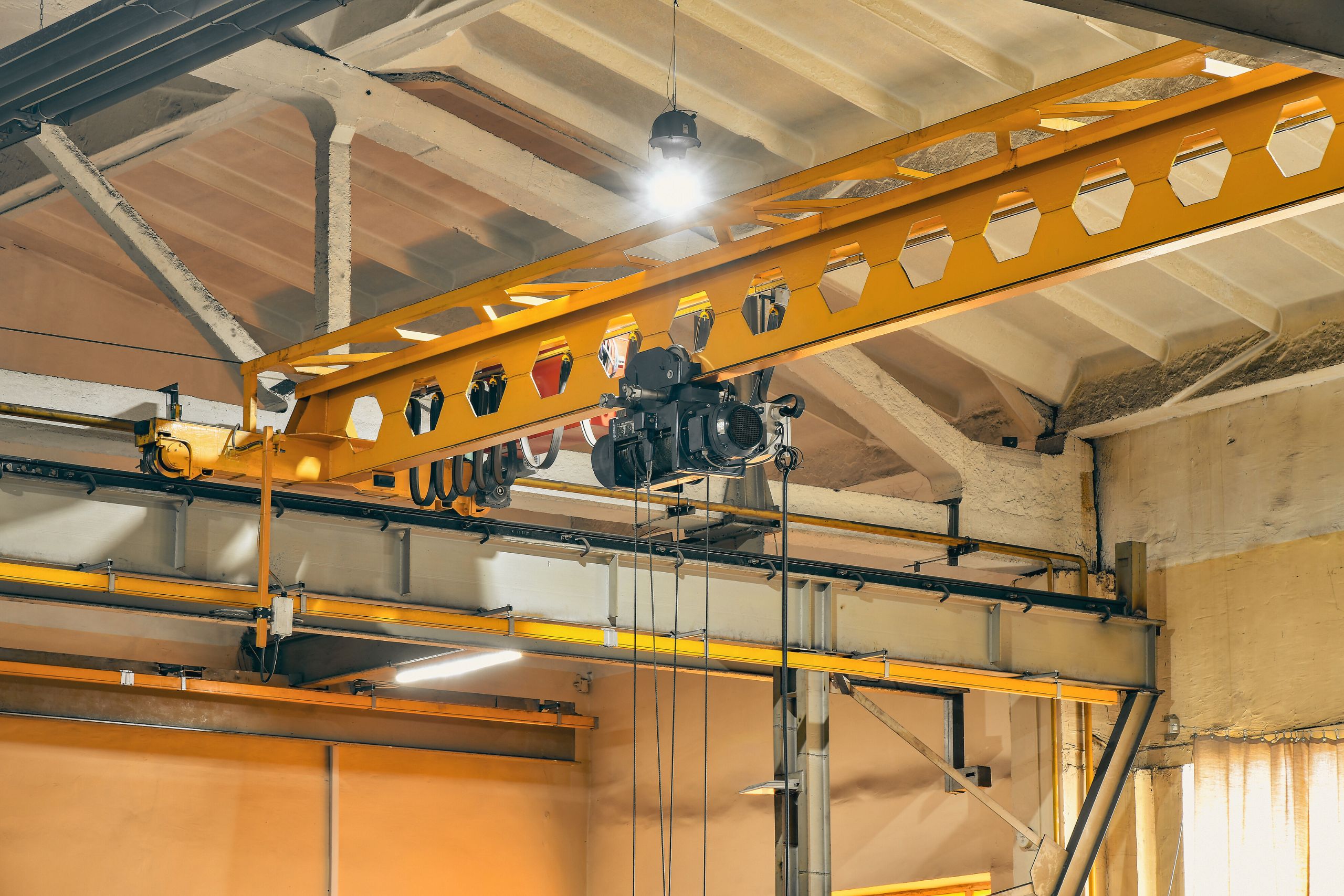
Hoisting hoists are the heart of many in-plant flows. The new generation of solutions combines high-efficiency motors, frequency drives, regenerative braking and intelligent motion control. The result is lower energy consumption, less mechanical wear and significantly lower Total Cost of Ownership (TCO) throughout the life cycle.
What does "energy efficient" hoist mean?
- High-efficiency motors and gearboxes – reduced drive losses, lower temperatures and longer service life.
- Frequency inverters (VFD) – smooth acceleration/braking (S-curves, jerk control), adaptive speeds according to load, fewer “shock” peaks.
- Regenerative braking – energy return to the network/bus when removing load or stopping.
- Movement optimization – minimal unnecessary translations, “slow-approach” positioning, intelligent profiles for frequent routes.
- Economy modes – automatic switching to stand-by when inactive, timely shutdown of auxiliary consumers.
Why this reduces TCO
- Lower energy costs – less active and reactive power, less heat loss.
- Less wear and tear – smooth motion profiles reduce loads on ropes/chains, hooks, brakes and gearboxes.
- Longer service intervals – lower temperatures and vibrations postpone critical replacements.
- Shorter cycles – higher speed where it is safe and automatic load “calming” reduce moving times.
Technological modules and good practices
- Anti-swing control – sway suppression through speed adjustments; less time to stabilize, less risk.
- Two-speed/multi-speed profiles – fine adjustment for heavy/light loads; fast transfer and slow final positioning.
- Smart brakes – reduction of mechanical braking through electric braking and regeneration; longer brake pad life.
- Condition Monitoring – sensors for temperature, vibration, current, cycles; alarm thresholds for prevention.
- Mechanics-control compatibility – correct D/d ratios, drum/pulley profiles, crane track alignment for minimal losses.
Selection and sizing (safety and economy)
- Work/load class – selection according to the real spectrum of tasks (cyclicity, mass, lifting height).
- Reserves and Limiters – overloading, height limits and zoning to prevent unwanted trajectories.
- Environmental compatibility – dust, moisture, temperatures, chemical agents; choice of protections, coatings and lubricants.
Integration and visibility
- IIoT connectivity – data to local/cloud panel: energy by shift, peak currents, lift cycle, alarms.
- ERP/WMS/CMMS interfaces – material requests, lift traceability, automatic maintenance planning according to actual load.
KPIs worth tracking
- kWh/cycle and kWh/ton-meter (specific consumption).
- Average cycle time and 95th percentile (process stability).
- Peak currents/breaks (how many "impact" events we avoid).
- Temperature/vibration trends of motors and gearboxes.
- MTBF/MTTR of critical components; planned vs. unplanned downtime.
Where the effect is most visible (Bulgarian context)
- Metalworking/mechanical engineering – frequent transfers between sections; gain from anti-swing and quick positioning.
- Logistics and warehouses – repeatable routes, high hooks; regeneration savings and optimized profiles.
- Food/Pharma – smooth movements and micro-sway control for delicate loads.
- Heavy industry – large tables, long transfers; energy and service savings from modern drives.
Implementation in practice (step by step, without unnecessary risk)
- Baseline audit – energy/cycle measurement, times, peaks, alarms; mechanical check/alignment.
- Pilot – activation of VFD profiles, anti-swing and regeneration of one hoist/axle; operator training.
- Optimization – fine adjustment of speeds, "slow-approach", soft-limits, stand-by modes.
- Monitoring – IIoT dashboard with KPIs and automatic notifications for service thresholds.
- Scaling – unified parameters and procedures for other hoists/cranes.
How we approach
We take a pragmatic and step-by-step approach – assessing the available mechanics and electric drive, setting profiles and modes for specific routes/loads and, where appropriate, adding monitoring and regeneration. If the topic is relevant to your processes, we can discuss possible options for a pilot and gradual upgrade, tailored to the infrastructure, environment and service support.